Buyer guide · Relocating to Central Florida
Moving to Central Florida: A Buyer’s Guide
Taxes, homestead, insurance and five neighborhoods worth a look, from a REALTOR® who has lived here since 1978.
01 · Start here
Thinking about a move to Central Florida?
Most people start with the weather. The decisions that matter most are the map, the tax bill and the insurance quote.
I’m Will LaValle, a REALTOR® with RE/MAX 200 Realty in Winter Park. I’ve lived in Central Florida since 1978. 35+ years in the real estate industry. A big part of my work is helping people buy here from another state.
This page covers the basics in about ten minutes: what’s different about buying in Florida, five neighborhoods to start with, and how buying from a distance works. When you’re ready for specifics, call me.
02 · Why Central Florida
What’s different about buying in Florida
Six things to know before you look at a single listing.
No state income tax
Florida’s constitution doesn’t allow a state personal income tax, so the state doesn’t tax your wages or retirement income. Property taxes and insurance deserve a careful look in your budget instead.
The homestead exemption
If you own the home and it’s your permanent residence on January 1, you can apply to your county property appraiser by March 1 for the homestead exemption. It takes up to $50,000 off the home’s assessed value.
A cap on future increases
Once your home is homesteaded, its assessed value can rise no more than 3% a year or the change in the CPI, whichever is lower. That’s the Save Our Homes cap. Savings built up in another state don’t carry over.
Your tax bill won’t be the seller’s
A home is reassessed at market value after it sells, so a long-time owner’s tax bill can be far below what yours will be. Budget from the purchase price, not the listing’s tax history.
Insurance comes before the offer
Insurers look closely at roof age. Older homes often need a four-point inspection, and a wind mitigation inspection documents features that can earn discounts. Get real quotes during your inspection period. Hurricane season runs June 1 through November 30.
Flood is separate
Standard homeowners policies generally don’t cover flood. Look up any address on FEMA’s flood map and get a flood quote, even if your lender doesn’t require one.
03 · Neighborhoods
Five neighborhoods to start with
Each one has its own guide covering housing, commutes and what to check before you buy. Keep an eye on the county line: it decides your property appraiser, your tax bill and your school district.
Winter ParkExplore the guide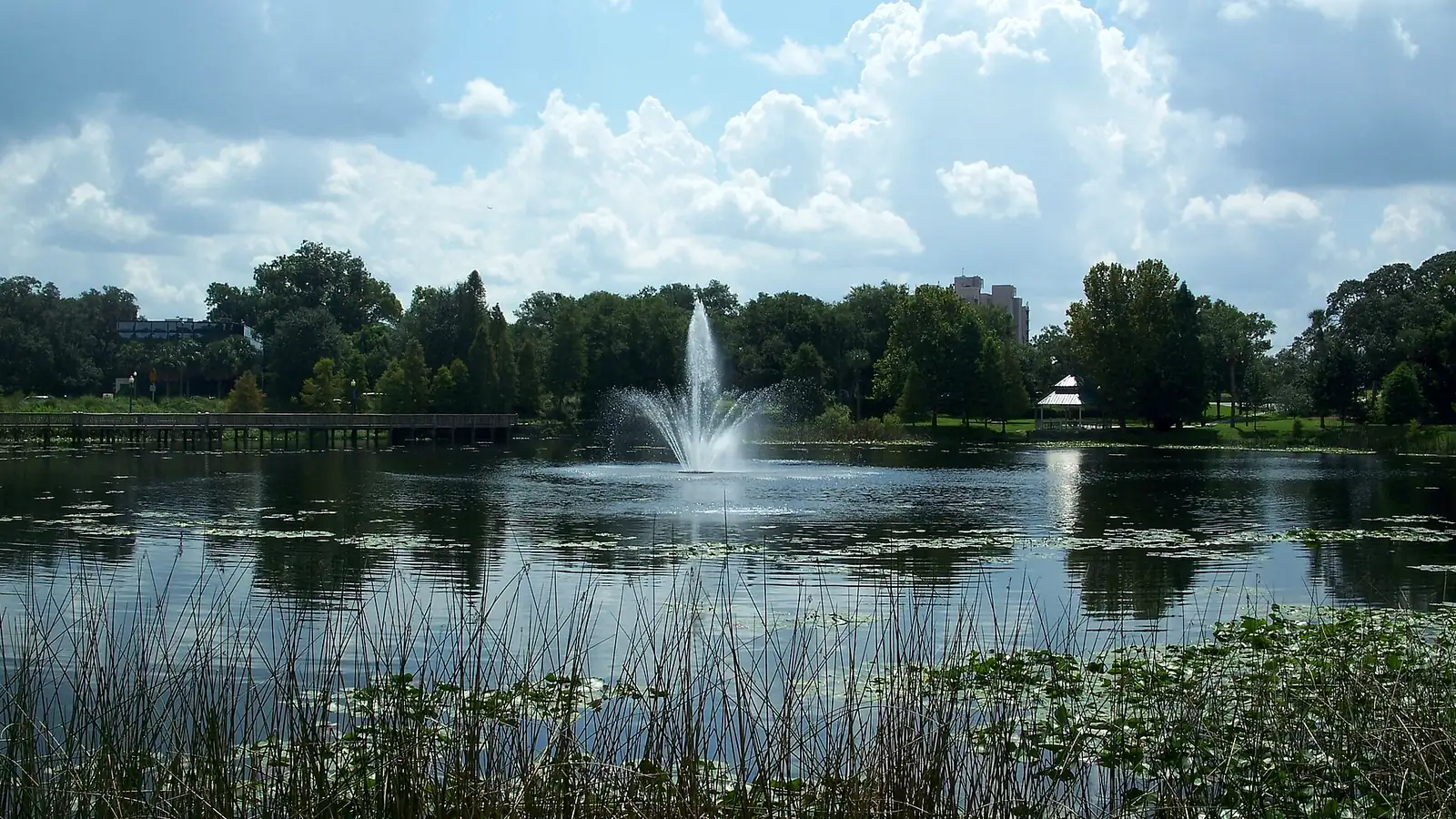 MaitlandExplore the guide
 Baldwin ParkExplore the guide
 LongwoodExplore the guide
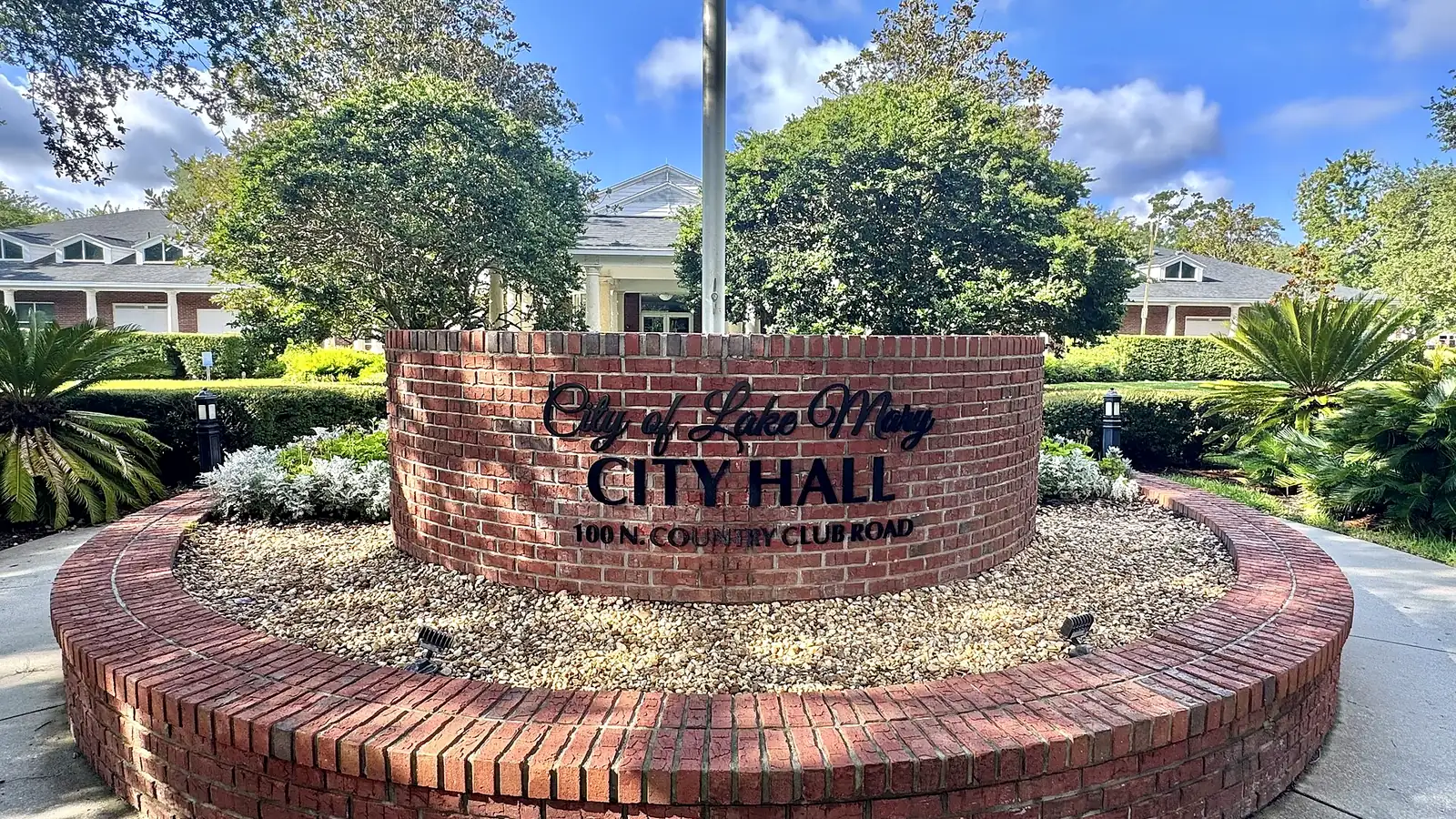 Lake MaryExplore the guide
Winter Park
Its own city, chartered in 1887, with Park Avenue, Rollins College, brick streets and the Winter Park Chain of Lakes. SunRail and Amtrak stop downtown. Many “Winter Park” mailing addresses are outside city limits, so check each parcel. For city millage, Winter Park Electric and water, see what it actually costs to live in the City of Winter Park.
Maitland
Directly north of Winter Park on Lake Maitland, with a deep supply of 1950s and 1960s ranch homes, Lake Lily, the historic Maitland Art Center and a SunRail station.
Baldwin Park
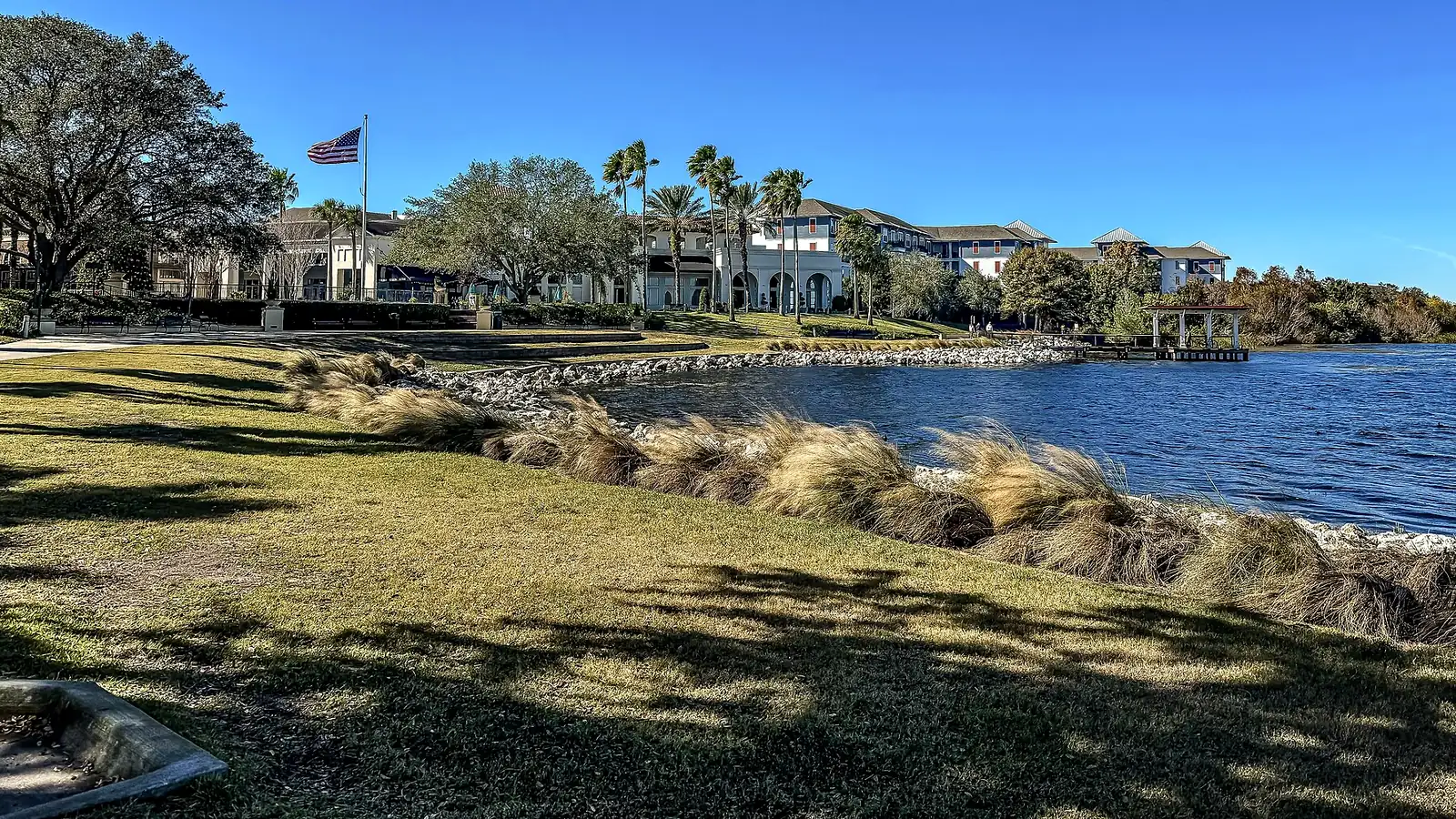
A planned neighborhood on the former Naval Training Center, just south of Winter Park, built around Lake Baldwin and the shops of New Broad Street. Ask about association fees and the CDD line on the tax bill.
Lake Mary
Newer housing, much of it in planned and golf communities such as Heathrow and Timacuan. I-4 and a SunRail station run through town, and Orlando Sanford International Airport is nearby.
Longwood
A small historic downtown with a SunRail station, plus established neighborhoods such as The Springs and Sweetwater Oaks and larger lots along Markham Woods Road. Many of them are in unincorporated Seminole County.
Focused on Winter Park? Moving to Winter Park, FL goes deeper on the city, its housing and getting around.
04 · Who I help
Every move starts somewhere different
Pick the one that sounds most like you.
Luxury and waterfront
Lakefront homes on the Winter Park Chain of Lakes and Lake Maitland are their own market: check the seawall, dock, navigability and flood zone. For golf communities, I’m Golf Community Certified through RE/MAX Golf Lifestyles. Larger loans usually mean jumbo financing, so get pre-approved with a lender who does them often.
Seniors and downsizers
Single-story homes, smaller yards, and 55+ communities that follow the federal Housing for Older Persons Act. Florida doesn’t tax retirement income at the state level, and the region is served by large hospital systems, including AdventHealth and Orlando Health.
Families
Schools are assigned by address, not by city or ZIP code, and attendance zones change. Verify any address with Orange County Public Schools or Seminole County Public Schools before you make an offer, and drive the commute at the hour you’ll actually drive it.
Relocating and remote buyers
Most of my out-of-state clients see homes first on live video. Contracts are signed electronically, and Florida allows remote online notarization, so many buyers close without another trip. Always confirm wiring instructions by calling the title company at a number you looked up yourself.
05 · Credentials
Why relocating buyers call me
One local contact from the first call to the closing table, keeping the loan, the appraisal and the insurance on track.
- 35+ years in the real estate industry
- 2026 RealTrends Verified: ranked #10 in Winter Park by transactions
- RE/MAX Hall of Fame
- Golf Community Certified through RE/MAX Golf Lifestyles
- Central Florida since 1978
- With RE/MAX since 2019, now RE/MAX 200 Realty in Winter Park
06 · The process
How buying from out of state works
Five steps, and most of them can happen before you arrive.
Talk it through, then get pre-approved
We go over budget, timing and must-haves, and you get a lender pre-approval. Before we tour, we sign the written buyer agreement that’s now required, so you know exactly how I’m paid.
Narrow the map
Commute, schools, flood zone, HOA rules and resale come first. I’ll send you a short list of neighborhoods that fit.
Tour in person or by video
Plan one focused trip, or tour on live video. Either way, I’ll tell you what the camera misses.
Offer and inspection period
We price from comparable closed sales. The inspection period is for the Florida homework: inspections, insurance quotes, the flood zone, and any HOA, condo or CDD documents.
Close, then file for homestead
Close in person or remotely. Then apply for homestead with your county property appraiser by March 1.
07 · Questions
Relocation questions I hear most
Does Florida have a state income tax?
No. Florida’s constitution prohibits a state personal income tax, so the state doesn’t tax wages or retirement income. You’ll still pay property tax, sales tax and federal income tax.
When do I apply for the homestead exemption?
If you own the home and it’s your permanent residence on January 1, apply with the county property appraiser by March 1 of that year. If you close in June, for example, you would apply by March 1 of the next year.
Can I bring my property tax savings from another state?
No. Save Our Homes savings can move only between Florida homesteads. Your own cap starts once your Florida home is homesteaded.
Do I need flood insurance?
If the home is in a FEMA high-risk flood zone and you have a federally backed mortgage, your lender will require it. Elsewhere it’s optional, but standard homeowners policies generally exclude flood, so get a quote.
Can I buy a home here without being in Florida?
Yes. Video tours, electronic signatures and remote online notarization make it workable, and many lenders and title companies can close by mail. Lender rules vary, so ask early.
Which areas do you cover?
I personally cover Seminole and Orange Counties, West Volusia (DeLand, Deltona, Orange City), North Osceola and the attractions area, and east Lake County (Mount Dora, Clermont). Anywhere else in Florida, send them to me anyway and I’ll connect them with a great agent I trust.
08 · Talk to Will
Tell me about your move
Where you’re moving from, when, and what matters most. I’ll reply myself.
Prefer the phone? Call or text me at 407-620-7785, or email will@irlhomes.com.
General information as of October 2026, not legal, tax, insurance or lending advice. Tax and insurance rules change, so confirm details with your county property appraiser, insurance agent and lender. Each RE/MAX office is independently owned and operated. Equal Housing Opportunity.