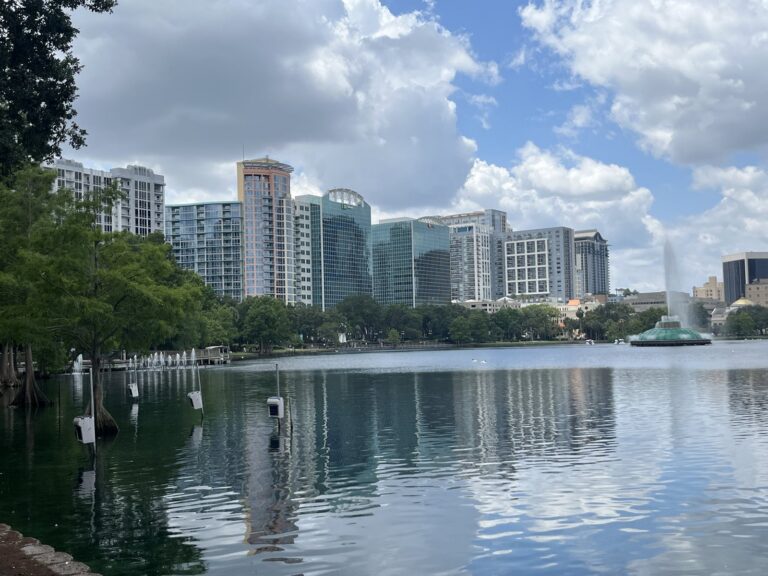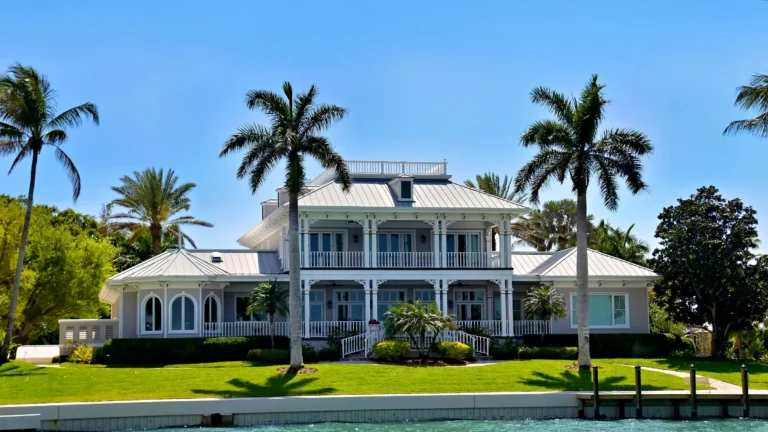
A lake view and a gated entrance can make a strong first impression, but they do not tell you whether a home will suit your daily life, hold its value, or create unexpected ownership costs. Orlando luxury homes range from established lakefront estates to new construction in master-planned communities, with meaningful differences in location, design, maintenance, and long-term market appeal.
For buyers relocating from the Northeast, South Florida, Atlanta, Chicago, or Texas, the challenge is rarely a lack of attractive choices. It is understanding how one Central Florida neighborhood compares with another before making a major purchase from a distance. The best luxury home is not simply the largest or newest available. It is the property that aligns with how you live, where you need to be, and what matters when it is time to sell.
Orlando Luxury Homes Start With Location
Orlando is not one luxury market. It is a broad metropolitan area with distinct communities, each offering a different combination of schools, commute access, amenities, lot sizes, architecture, and price points.
Winter Park appeals to buyers who want mature tree canopies, established neighborhoods, cultural amenities, and a more traditional residential feel near Park Avenue. Homes near the Winter Park Chain of Lakes, Lake Maitland, and Lake Osceola can command substantial premiums, particularly when they offer usable waterfront, strong views, and well-maintained private docks.
Windermere and nearby communities such as Lake Butler Sound, Isleworth, Keene’s Pointe, and parts of Dr. Phillips are often considered by buyers seeking private lakefront property, golf, gated settings, and access to southwest Orlando. These areas can be ideal for buyers who prioritize space and privacy, but commute patterns can differ greatly depending on where work, schools, and frequent destinations are located.
Lake Mary, Longwood, Maitland, Winter Garden, and parts of Sanford offer additional luxury options, from custom homes on larger lots to newer community-based properties with modern floor plans. A buyer who expects a Winter Park lifestyle may find better value or a newer home elsewhere, while a buyer who needs a particular commute or school proximity may decide that the location premium is justified.
The practical question is not which community is “best.” It is which community best supports your priorities. A home may be 15 miles from your office, but travel time during school drop-off or evening traffic can be far more useful than mileage alone.
Compare Property Types, Not Just Price Per Square Foot
Luxury buyers often begin with online filters for price, bedrooms, pool, and waterfront. Those filters are useful, but they can place very different properties in the same search results. Price per square foot is also less reliable at the upper end of the market, where water frontage, lot quality, construction details, condition, and privacy can carry more weight than interior square footage.
A newer home in a gated community may offer high ceilings, current finishes, energy-efficient systems, and amenities that reduce day-to-day maintenance. In exchange, it may have a smaller lot, homeowner association requirements, and a more uniform neighborhood setting.
An older estate in an established area may offer irreplaceable land, mature landscaping, and a location that cannot be duplicated. It may also require more careful evaluation of roofing, plumbing, electrical systems, windows, seawalls, docks, drainage, and renovation history. Character can add value, but deferred maintenance can change the economics of a purchase quickly.
Waterfront deserves its own level of scrutiny. “Water view,” “water access,” and “lakefront” are not interchangeable descriptions. Buyers should understand whether a property has direct access to a usable lake, what restrictions apply to docks or boats, the condition of shoreline improvements, and whether the view is likely to remain protected. A pond view in a newer development and a private dock on the Butler Chain of Lakes offer very different ownership experiences and resale audiences.
Look Beyond Finishes to Construction and Condition
Designer kitchens, imported stone, and resort-style pools are appealing, but expensive components are not always visible during a first showing. In Central Florida, a thoughtful review should include the roof age and material, HVAC equipment, windows and doors, drainage, irrigation, pool systems, exterior finishes, and any prior insurance claims or repairs.
New construction brings its own questions. Find out what is included in the base price, which upgrades were selected, what warranties transfer, and whether nearby phases are still under construction. A new neighborhood can be attractive for its amenities and modern design, yet years of continuing construction may affect noise, traffic, or immediate resale competition.
For resale homes, permits and renovation records matter. A recently remodeled home may be a strong choice, but it is worth confirming the scope of work and whether major systems were updated along with cosmetic finishes. A beautifully staged room does not replace a careful inspection and realistic budgeting for future capital improvements.
Insurance is another part of the ownership picture. Coverage availability, wind mitigation features, deductibles, and flood considerations can vary by property and location. Buyers should obtain insurance information early rather than treating it as a final closing detail. The same approach applies to homeowner association documents, community rules, special assessments, and any rental restrictions.
Lifestyle Details Carry Real Value
Luxury is personal. For one household, it means a private office, a wine room, and quick access to downtown Orlando. For another, it means a summer kitchen, a four-car garage, room for multigenerational living, or a backyard designed for weekends with family and friends.
Before touring homes, identify the features that are truly non-negotiable. That could include first-floor primary living, a pool with screened enclosure, a guest suite, an elevator, a specific school assignment, a home gym, or room for a boat. Separating essential features from preferences keeps a search focused when several impressive homes begin to blend together.
Relocating buyers should also consider everyday routines that are hard to see in listing photos. Visit or evaluate the route to work, schools, medical care, airports, dining, and recreation. Consider whether you prefer a walkable setting, a guarded gate, a quiet cul-de-sac, golf-cart access, or acreage with more separation from neighbors. These factors influence satisfaction long after a particular countertop or light fixture loses its novelty.
Schools, Commutes, and Resale
School considerations affect many buyers, even those without school-age children, because school reputation and district boundaries can influence buyer demand. Boundaries, program availability, and transportation patterns can change, so decisions should be based on current information and personal needs rather than assumptions from an older listing description.
Resale is equally important. The most unusual property on the block may be exactly right for a specific buyer, but a highly customized design, challenging floor plan, or location with limited appeal can narrow the future buyer pool. That does not mean avoiding distinctive homes. It means recognizing the trade-off and paying accordingly.
A Disciplined Purchase Process Matters
At the luxury level, good decisions are rarely made by rushing through open houses or relying on a single online estimate. A strong purchase strategy starts with a clear financial picture, including property taxes, insurance, association costs, expected maintenance, and any immediate improvements. It continues with a market comparison that accounts for condition and location rather than simply matching bedroom counts.
For buyers moving from outside Florida, virtual tours and video walkthroughs can help narrow the field, but a final in-person review is usually worth the time. Light, street noise, neighboring homes, traffic flow, views, and the feel of a community are difficult to judge remotely. If travel is limited, an agent who knows the local market can provide direct observations that listing photos cannot.
Negotiation should be based on the property, not a fixed formula. A well-priced home with several interested buyers calls for a different approach than a home that has been available for months. Terms such as inspection periods, financing contingencies, closing dates, and repair expectations can be as valuable as the purchase price. Experience in sales, valuation, and property condition helps put those terms in proper perspective.
Will LaValle provides buyers with direct, hands-on guidance through property selection, market analysis, negotiation, and closing coordination across Central Florida. The goal is not to push a buyer toward a particular neighborhood. It is to make sure the decision reflects the property’s true market position and the buyer’s long-term plans.
A luxury home should feel right when you walk through the door, but the soundest choices also hold up after you compare the location, condition, ownership costs, and future resale potential. Start with the life you want to build in Central Florida, then evaluate each property with the same care you would bring to any significant investment.
Explore Winter Park area neighborhoods
Winter Park · Maitland · Baldwin Park · Longwood · Lake Mary · What’s my home worth?
Thinking about selling?
What is your home actually worth?
An online estimate is a starting point, not a price. Send me your address and I’ll put together the recent closed sales near you, the current competition and a price range that holds up with an appraiser, from someone with over 37 years in the Real Estate Industry.
Or ask me a question here and I’ll get back to you the same day.