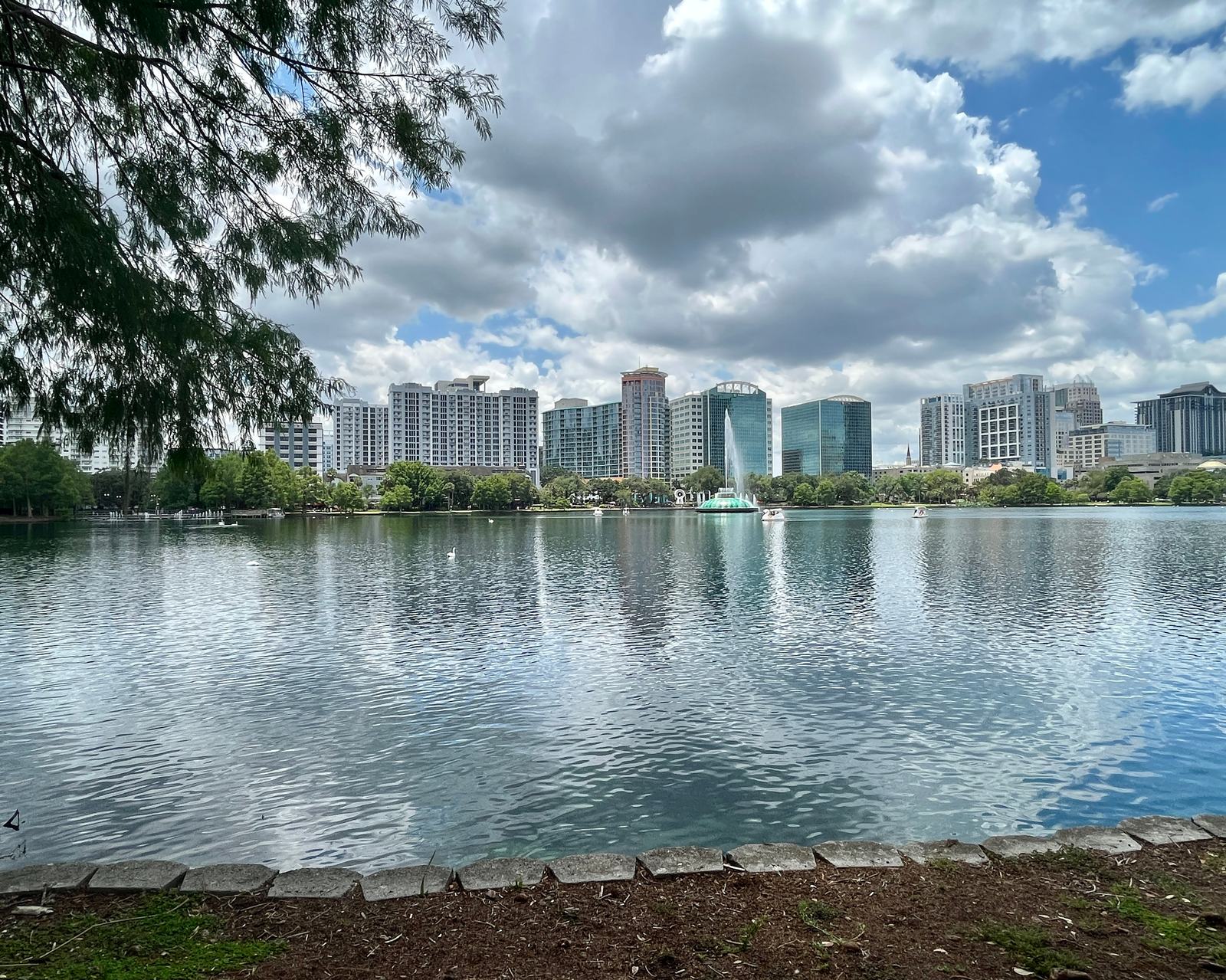
A New York apartment search often begins with a subway map, a block-by-block comparison, and a realistic conversation about square footage. Moving from New York to Orlando changes the decision-making process. The home may be larger, the commute may be by car, and the neighborhood choice can have a greater effect on daily life, carrying costs, and future resale.
For relocating buyers, the goal is not simply to find more house for the money. It is to choose a Central Florida community that fits the way your household will actually live. That takes local guidance on location, construction, insurance, schools, traffic patterns, and the details that do not always show up in an online property search.
Moving From New York to Orlando Starts With Location
Orlando is not one uniform market. A home advertised as being in the Orlando area may be in Winter Park, Maitland, Lake Mary, Longwood, Sanford, Windermere, Winter Garden, Apopka, or an unincorporated part of Orange or Seminole County. Each has a different housing supply, commute pattern, municipal structure, and feel.
Winter Park appeals to buyers who want established neighborhoods, mature landscaping, dining, cultural amenities, and a more traditional small-city setting near downtown Orlando. Maitland offers convenient access to central employment corridors and a mix of established homes and townhomes. Lake Mary, Longwood, and parts of Sanford are frequent choices for households focused on north Orlando employment, larger lots, or particular school preferences.
West of downtown, Winter Garden and Windermere attract buyers looking for newer communities, access to major roadways, and a range of newer construction options. These areas can be excellent fits, but a house that looks close to a job on a map may still involve a longer peak-hour drive than expected.
The right area depends on where you need to be during the week. Before narrowing the home search, identify your work locations, school needs, preferred airport access, and how often you expect to visit downtown, the attractions area, or the coast. In Central Florida, a 10-mile difference can matter considerably at rush hour.
A commute must be tested, not assumed
New York buyers are used to evaluating a commute through transit schedules and walking distance. In Orlando, road choice and departure time matter just as much. Interstate 4, State Road 417, State Road 429, and local arterials can produce very different travel times.
If a property is a serious contender, check the route during the times you would normally travel. Consider school drop-off, toll costs, construction projects, and whether one accident could leave you without a practical alternate route. A slightly smaller home in a more convenient location can be the better long-term decision.
Compare the Full Cost of Ownership
Florida’s lack of state personal income tax is often part of the appeal for New York households. That benefit is real for many residents, but it should not be treated as the entire financial picture. Your home budget should account for the costs that travel with a Florida property.
Property taxes vary by county, municipality, assessed value, and available exemptions. A seller’s tax bill is not necessarily a reliable estimate of what a buyer will pay after a sale, particularly when a home has been owned for many years. Ask for a projected tax estimate based on your anticipated purchase price.
Homeowners insurance deserves equally careful attention. Premiums can vary substantially based on the home’s age, roof type and age, construction features, location, claims history, and wind-mitigation characteristics. A newer roof and favorable inspection findings can affect both eligibility and pricing. Flood insurance is a separate question from standard homeowners coverage, and a property outside a required flood zone may still warrant a closer look at drainage, elevation, and prior flood history.
For many planned communities, homeowners association fees are another regular expense. HOA fees may cover lawn care, gates, amenities, exterior maintenance, or reserves, depending on the community. The amount alone does not tell the full story. Review the rules, financial condition, rental restrictions, pending assessments, and any limitations affecting vehicles, pets, renovations, or home-based work.
New York residents should also speak with their tax and legal advisors before establishing Florida residency. Real estate guidance can help you evaluate the property, but residency, estate planning, and tax obligations require advice from the appropriate professionals.
The Home Itself May Be Different
Orlando-area housing commonly includes features that are less familiar to buyers from the Northeast. Concrete block construction, stucco exteriors, tile roofs, screened lanais, pools, irrigation systems, and central heat pumps are routine parts of many property evaluations.
A pool can be a major lifestyle benefit, especially for buyers who expect to use outdoor space year-round. It also brings equipment, maintenance, safety considerations, and potential repair costs. Screen enclosures are valuable for comfort and pest control, but they need inspection after storms and can require periodic repair.
Roof condition is especially significant in Florida. Ask about the roof’s age, material, permits, and any recent repairs. The same applies to air-conditioning systems, water heaters, plumbing, electrical panels, and windows. Florida’s heat, humidity, and storm exposure make deferred maintenance more consequential than it may be in a co-op or condominium setting where building systems are managed collectively.
A thorough inspection period should include more than a general home inspection when circumstances call for it. Depending on the property, buyers may need wind-mitigation information, a four-point inspection for insurance, sewer or plumbing review, pool inspection, roof evaluation, termite inspection, or specialized review of older systems. The right inspection plan depends on the home’s age, condition, and insurer requirements.
Schools, Lifestyle, and Resale Need Separate Consideration
School preferences are personal, and school assignment boundaries can change. Rather than relying on a listing description alone, verify current zoning directly with the appropriate school district and investigate the programs that matter to your family. Buyers without school-age children should still recognize that school access can influence demand and resale in many neighborhoods.
Lifestyle decisions also deserve a practical view. Do you want walkability to restaurants and parks, a guarded community, a golf-oriented setting, a waterfront location, or a newer neighborhood with community amenities? There is no universal answer. A buyer accustomed to Manhattan energy may prefer Winter Park’s connected feel, while another may value the space and newer inventory available in suburban communities.
For resale, look beyond the finishes that photograph well. Location within the community, lot orientation, bedroom count, functional floor plan, garage capacity, nearby roads, and condition of major systems all affect future buyer appeal. A local market analysis can help distinguish a fair price from a home that is merely attracting attention online.
Plan the Relocation Before You Fly In
A focused trip is far more useful than trying to tour every available property. Begin with a conversation about budget, timing, desired communities, work locations, and deal-breakers. Then narrow the search to homes that match the real priorities.
For most relocating buyers, this sequence keeps the process organized:
- Establish your comfortable monthly housing cost, including taxes, insurance, HOA fees, utilities, and possible pool or lawn care.
- Obtain financing guidance early, particularly if you are selling a New York property or using proceeds from another sale.
- Compare several communities in person and drive the routes that will shape your normal routine.
- Review property disclosures, permits, HOA documents, insurance considerations, and comparable sales before making an offer.
If you need to sell before buying, timing becomes even more important. A contingent purchase may be possible in some cases, but the strength of the offer depends on the property, local competition, financing, and the status of your current sale. Buyers who can make decisions quickly after seeing the right home are usually better positioned.
Remote purchases can work when the buyer has a clear plan and reliable local representation, but they are not ideal for every household. Video tours, detailed disclosures, inspections, and neighborhood review can reduce uncertainty. Still, if you have flexibility, seeing your preferred areas at different times of day remains valuable.
A move to Central Florida is a chance to be deliberate about how you want to live, not just where you want to sleep. Before you commit to a property, give yourself enough time to compare the neighborhood, the carrying costs, and the practical condition of the home. A direct conversation with Will LaValle can help turn those questions into a focused property search and a better-informed purchase decision.
Explore Winter Park area neighborhoods
Winter Park · Maitland · Baldwin Park · Longwood · Lake Mary · What’s my home worth?
Thinking about selling?
What is your home actually worth?
An online estimate is a starting point, not a price. Send me your address and I’ll put together the recent closed sales near you, the current competition and a price range that holds up with an appraiser, from someone with over 37 years in the Real Estate Industry.
Or ask me a question here and I’ll get back to you the same day.