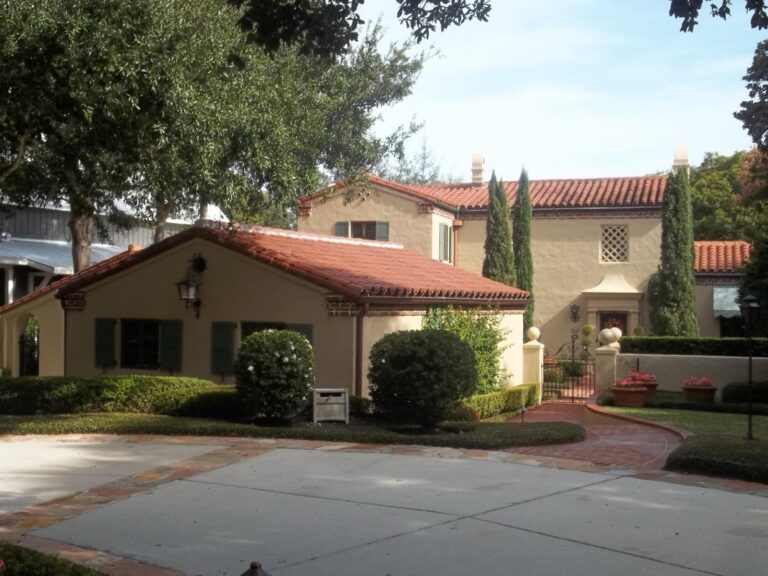
Plenty of Winter Park listings look like every other house on the block until you get into the utilities. Some still sit on a septic system. That is not a reason to walk away, but it is a reason to slow down. Here is how I walk buyers through septic homes in Winter Park, Maitland, College Park and the surrounding Orange and Seminole streets.
Where septic still shows up around Winter Park
Central Florida has been on a long sewer-expansion timeline. Inside the City of Winter Park, most newer construction is on city sewer. The septic systems I still see are usually on older lots where the house went up before a public line was available on that street, or on pockets near the lakes and in unincorporated areas that still use a Winter Park mailing address. That last point matters: an Orlando or Winter Park mailing address does not tell you which city or county utility serves the lot. I covered the same trap in what a Winter Park address actually means.
You will also find septic on some Maitland and Seminole County streets, and on older ranch houses in College Park and nearby Orlando neighborhoods where the sewer line arrived years after the house. Florida’s Department of Environmental Protection notes that onsite systems still serve about 30 percent of the state’s population. Locally that share is lower in built-out Winter Park, but the remaining systems are the ones buyers trip over during due diligence.
Florida does not require a septic inspection at closing
This surprises most out-of-state buyers. Florida does not have a blanket statewide rule that forces a septic inspection every time a house sells. Florida Statute 381.00651, which sets the rules for local five-year evaluation programs, goes further: any county or city ordinance adopted under that section may not mandate an evaluation at the point of sale in a real estate transaction.
That does not mean you should skip the inspection. It means the state will not do it for you. The Department of Environmental Protection’s Onsite Sewage Program sets the statewide rules, and under the Clean Waterways Act county health departments still handle permitting and inspections for construction, repair, modification and abandonment. A plain home sale is not one of those triggers. If you want a written assessment of the tank and drainfield before you buy, you put it in the contract and hire a qualified contractor yourself.
What Winter Park’s own sewer code does
City rules matter as much as state rules inside Winter Park. The utilities code, as amended by Ordinance 2988-15, draws a clear line. Under section 102-93, houses are generally expected to connect to public sanitary sewer when the property abuts a street with a public sewer and the building is within 100 feet of that sewer, with limited exceptions for costly lift-station situations. Section 102-94 protects existing septic homes built before sewer arrived: if the private system is adequate, the owner is not forced to connect until the system requires maintenance or repair, is abandoned, or is condemned by health authorities. Once that happens, the city can require connection within 15 days of notice, and it can shut off water until the connection and fees are paid. That clock is the part buyers miss — a house that is fine on septic today can become a forced sewer project the moment the tank needs major work and a public line is available.
How to tell sewer from septic before you write an offer
Do not trust the listing remarks alone. I check these items early:
- Utility billing. A city or county sewer charge on the seller’s bill is the cleanest signal. A water-only bill with no sewer line item is a flag to dig deeper.
- Permit history. County health department records for onsite systems, and city plumbing or utility permits for sewer tie-ins, tell you what was approved on the lot.
- The yard itself. A septic tank lid, cleanout placement and a drainfield area that does not match a typical sewer lateral layout are worth a walk with the inspector.
- Jurisdiction. Confirm whether the lot is City of Winter Park, City of Maitland, City of Orlando or unincorporated Orange or Seminole County. The same street name can sit in more than one of those.
On older Winter Park houses I already push for a full systems look — pipes, panel, roof and trees — which I outlined in what an older Winter Park home actually costs to own and in trees, power and insurance on an older Winter Park home. Septic is another systems line on that same list.
What a useful septic inspection covers
A quick lid look is not enough. Section 381.00651 describes a solid baseline for any private buyer inspection: locate the system, evaluate the tank and drainfield, and produce a written overall assessment. The tank work estimates size and watertightness, checks baffles or tees, lids and manholes, and generally includes a pump-out unless recent permitted work already documents a sound tank. The drainfield work looks for size, location and any sewage or effluent on the ground or discharging toward a ditch or water body. I also want notes on roof drains or landscaping that dump water onto the drainfield, and whether the system uses a pump, alarm or aerobic unit that needs a maintenance contract. Keep the written report with the closing file.
Lakes, setbacks and older lots
Winter Park’s draw is the chain of lakes, and those same lots are where septic setbacks and high water tables get tight. Older systems were sometimes installed under earlier standards. On a lake-adjacent or canal lot, I want the inspector and the county health department record in hand before the inspection period ends. My guide to Winter Park Chain of Lakes homes covers shoreline living; septic belongs in that conversation when the house is not on sewer. Flood history still matters too — Florida’s seller flood disclosure rules apply either way, which I explained in Florida’s flood disclosure law.
When connection to sewer becomes the real project
If public sewer is available and the septic system fails, Winter Park’s code can turn a repair into a connection. The city’s sewer-connection guidance spells out the usual steps: locate the lateral, pull a Winter Park plumbing permit, get an Orange County Health Department septic abandonment permit, have a licensed plumber tie in and abandon the tank, then pass final inspection. Abandonment is not optional. The tank must be pumped and either crushed or filled with clean material such as sand or gravel, or removed entirely, under the health department process.
Outside city limits the path changes. Winter Park has also tied some sewer service outside the city to annexation or a recorded consent to annexation. That is a title and planning issue, not just a plumbing invoice, so I flag it when a buyer is looking at an unincorporated lot that wants city sewer.
How I write the contract around septic
On any Central Florida house that may be on septic, I treat the system like a major inspection item, the same way I treat systems reviews in new-construction home inspections. Practically, that means:
- Confirm sewer versus septic before the offer when we can, and no later than the first days of the inspection period.
- Order a full septic evaluation by a qualified contractor, with a pump-out when the tank history is thin.
- Pull or request the onsite permit file from the county health department.
- Ask whether public sewer is available at the street and what Winter Park or the county would require if the system needs repair.
- Get written numbers for repair versus connection before we release the inspection contingency.
- Fold any likely year-one work into the overall ownership budget, alongside the other older-home items and closing costs.
I do not put dollar figures here, because tank replacement, drainfield repair and sewer tap fees vary by lot and by whether a lift station is involved. The honest approach is contractor pricing during the inspection window, then a clear choice: credit, price change, seller repair, or walk.
Bottom line for Winter Park buyers
A septic system on a Winter Park-area house is common enough that you should know how to check for it, and uncommon enough inside the city that the rules around repair and forced connection still catch people off guard. State law will not force an inspection at closing. Winter Park’s code can force a sewer hookup once an old system needs work and a public line is there. The buyers who do well are the ones who find that out before the inspection clock runs out.
I’m Will LaValle with IRL Homes, RE/MAX 200 Realty, local since 1978 and licensed since 1989. Call me at 407-620-7785, email will@irlhomes.com, or reach me through my contact page.
Thinking about selling?
What is your home actually worth?
An online estimate is a starting point, not a price. Send me your address and I’ll put together the recent closed sales near you, the current competition and a price range that holds up with an appraiser, from someone with over 37 years in the Real Estate Industry.
Or ask me a question here and I’ll get back to you the same day.