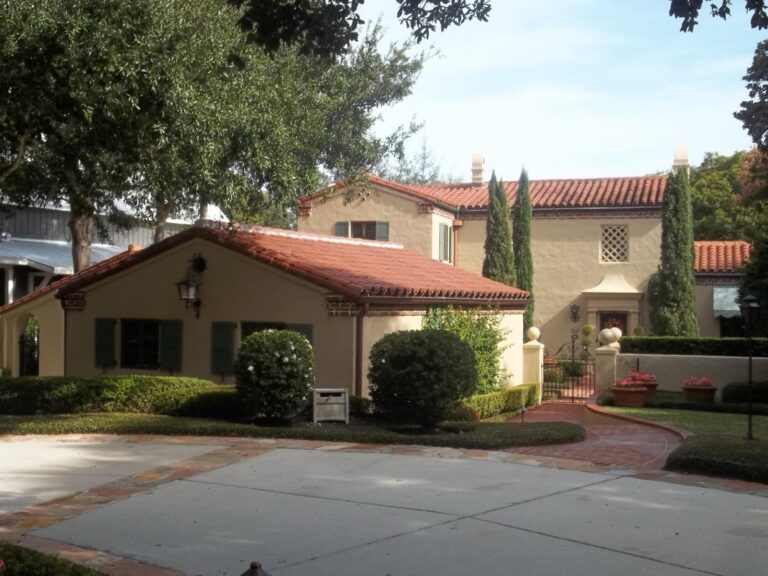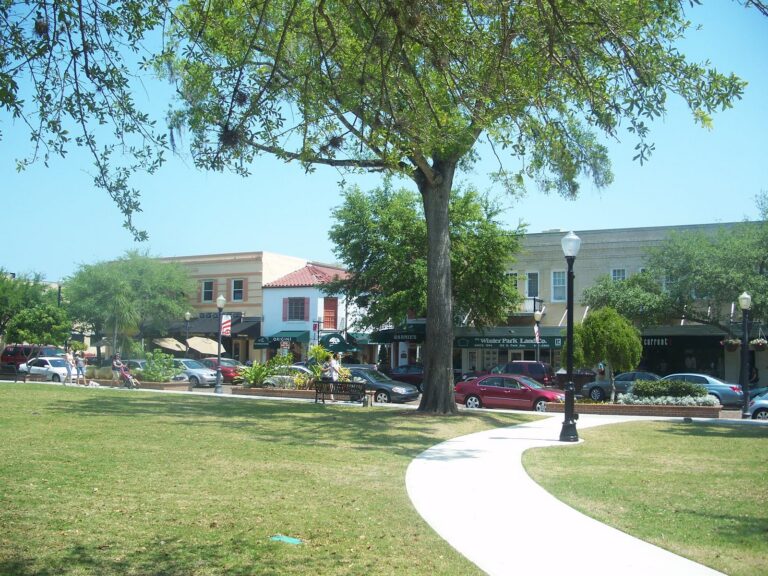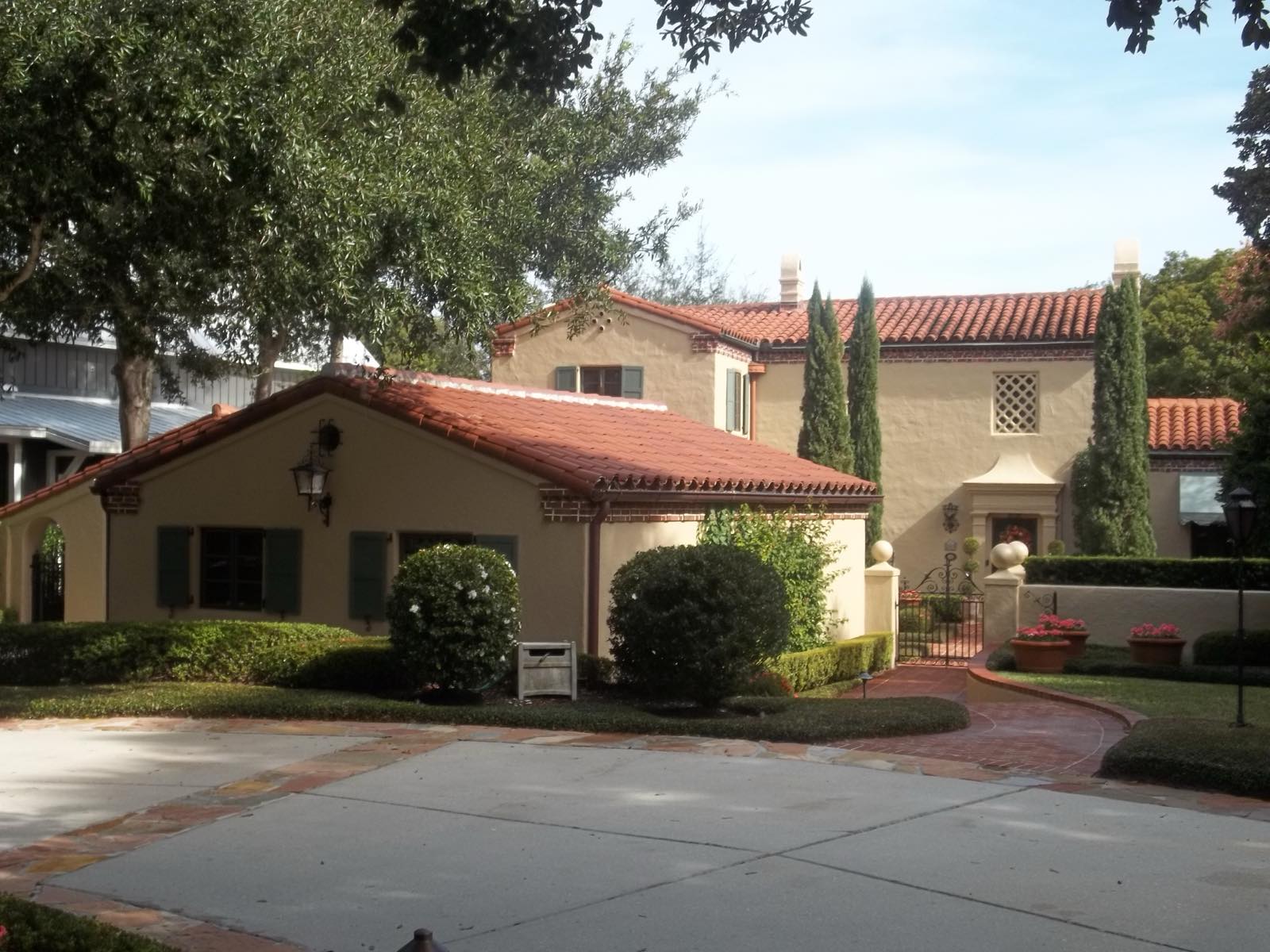
The asking price on an older Winter Park house is only the first number. The second number is what it will take to keep the house insurable, dry and working for the next few years, and on a house built before 1990 that second number can matter as much as the first. Here is how I walk buyers through the real ownership math on older houses in Winter Park, Maitland and College Park.
Why the age of the house matters
Many of the ranch houses and split-levels around Winter Park, Maitland and College Park went up in the 1950s, 1960s and 1970s. They were built well for their time, with materials that were standard then and that insurers and inspectors now look at closely. Earlier this fall I wrote about trees, power lines and insurance timing on an older Winter Park home. This post is about the money: what those same houses tend to cost once you own them.
What is behind the walls
A house from this era can look updated and still carry its original systems. These are the items I want identified before the inspection period ends:
- Cast iron drain lines. Common under slabs of this age. They can corrode and crack from the inside, and a camera scope is the only way to see their condition.
- Galvanized supply pipe. Older steel water lines can rust from the inside, which shows up as low pressure, discolored water or leaks.
- Aluminum branch wiring. Present in some houses from this period. It needs a licensed electrician’s evaluation, and insurers ask about it directly.
- Undersized electrical panels. A panel sized for a 1960s household may not carry modern air conditioning, kitchens and chargers.
- Single-pane windows. They affect comfort, power bills and how the house is rated for wind.
- Original clay sewer laterals. The line from the house to the street is often the owner’s responsibility, and clay joints are where roots get in.
None of these items means you should walk away. Each one is a line in the budget, and the inspection period is when you find out which lines apply.
The roof and your insurance
In Florida, the roof often decides whether a house can be insured at all, and on what terms. Two reports carry most of the weight.
The four-point inspection covers the roof, electrical, plumbing and heating and cooling. Citizens Property Insurance, the state-backed insurer, says it requires one on homeowner applications for properties more than 20 years old, done by a Florida-licensed inspector, and that serious hazards such as exposed wiring or active leaks should be repaired before an application is submitted. Its form asks for the age and type of the electrical panel and wiring, whether aluminum branch wiring is present and how it was remediated, and whether the supply and drain piping is original, partially re-piped or fully re-piped, with galvanized and cast iron listed by name. Private carriers set their own rules, but many ask similar questions.
The wind mitigation inspection uses the state’s Uniform Mitigation Verification Inspection Form, which is adopted by rule through the Office of Insurance Regulation. It documents features such as roof covering, roof-to-wall connections and opening protection that can earn premium credits. I covered the current form in detail in my post on wind mitigation inspections in Central Florida.
Roof age drives both reports. Citizens also says that when a roof has less than five years of remaining useful life, the owner needs to show it is in good condition through a separate roof inspection form. An older roof can mean a higher premium, fewer carriers willing to write the policy, or a roof replacement you did not plan for in year one. Get quotes during the inspection period, not after it.
What mature trees really cost
The oaks are a big part of why people want these streets. They also come with costs that rarely show up in a listing.
- Roots in sewer laterals. Clay and cast iron lines near large trees are a common source of backups.
- Limb damage. Heavy limbs over the roof can mean storm damage and regular trimming costs.
- Insurance questions. Some carriers ask about overhanging limbs, and policy language on tree damage varies, so read the policy rather than assuming.
- Removal rules. Winter Park regulates removal of protected trees, so a problem tree may not come down on your schedule.
An arborist’s opinion on the trees closest to the house is money well spent on an older lot.
Flood and drainage near the lakes
Some of the most appealing blocks in Winter Park, Maitland and College Park sit low near the lakes. A house outside a mapped flood zone can still take water in a heavy rain if the lot is lower than the street or the neighbors. I look at the grade, the gutters, the drainage path and the seller’s flood disclosure. Florida now requires sellers to disclose certain flood history, which I explained in my post on Florida’s flood disclosure law. If the lot sits low, get a flood insurance quote early, even when a lender does not require one.
The permit history trap
Older houses often have a garage converted to a family room, a back porch enclosed, or an addition built decades ago. The question is whether that work was permitted.
The Florida Building Code, section 105.1, requires an owner who intends to construct, enlarge, alter, repair or change the occupancy of a building, or to install or replace regulated electrical, gas, mechanical or plumbing systems, to apply for and obtain a permit first. Unpermitted work can create problems with insurance, appraisal and resale, and fixing it after the fact can mean opening walls so an inspector can see the work.
Where to look depends on the jurisdiction. Winter Park and Maitland are cities, and College Park is inside the City of Orlando, so those houses are permitted through the city. For unincorporated Orange County, the county’s Fast Track online services allow a permit search by address or parcel. Unincorporated Seminole County offers a similar public lookup through its Building Permits Online page. Historic properties can add another layer of review, which I covered in my guide to buying a historic home in Winter Park.
If the square footage in the listing does not match what the permits show, I want to know why before we go further.
Budget the first three years
Most buyers focus on the purchase price, the down payment and the closing costs. On an older house I ask buyers to sketch a three-year plan as well.
- Year one: anything the insurer requires, plus safety items such as the electrical panel or aluminum wiring remediation.
- Year two: items found in the sewer scope and plumbing review, such as a lateral repair or re-piping.
- Year three: comfort and efficiency items such as windows, insulation or an aging air conditioning system.
- Every year: tree care, gutter and drainage upkeep, and a cushion for surprises.
I do not put dollar figures on these items here, because they vary widely by house, by contractor and by the scope of the work. The honest way to build the budget is to get written estimates from licensed contractors during the inspection period, then treat the total as a rough planning range rather than a firm number. A house that looks like a bargain against the comps can turn out to be the expensive one once that range is added.
How I help
On an older house, I start with the record before I write the offer. I pull the permit history through the right city or county and compare it with what is actually on the ground. I make sure the four-point and wind mitigation inspections are done before the inspection period ends, so insurance quotes are real numbers and not guesses. And I price the house against what it will cost to bring it current, not just against the comps down the street.
I’m Will LaValle with IRL Homes, RE/MAX 200 Realty, local since 1978 and licensed since 1989. Call me at 407-620-7785, email will@irlhomes.com, or reach me through my contact page.
Thinking about selling?
What is your home actually worth?
An online estimate is a starting point, not a price. Send me your address and I’ll put together the recent closed sales near you, the current competition and a price range that holds up with an appraiser, from someone with over 37 years in the Real Estate Industry.
Or ask me a question here and I’ll get back to you the same day.